
Agrisoko insight
How Kenyan Farmers Can Get Better Prices Without a Middleman
The middleman's advantage has always been information — knowing who is buying, at what price, and on what terms. Digital marketplaces are giving Kenyan farmers the same access. Here is how to use it.
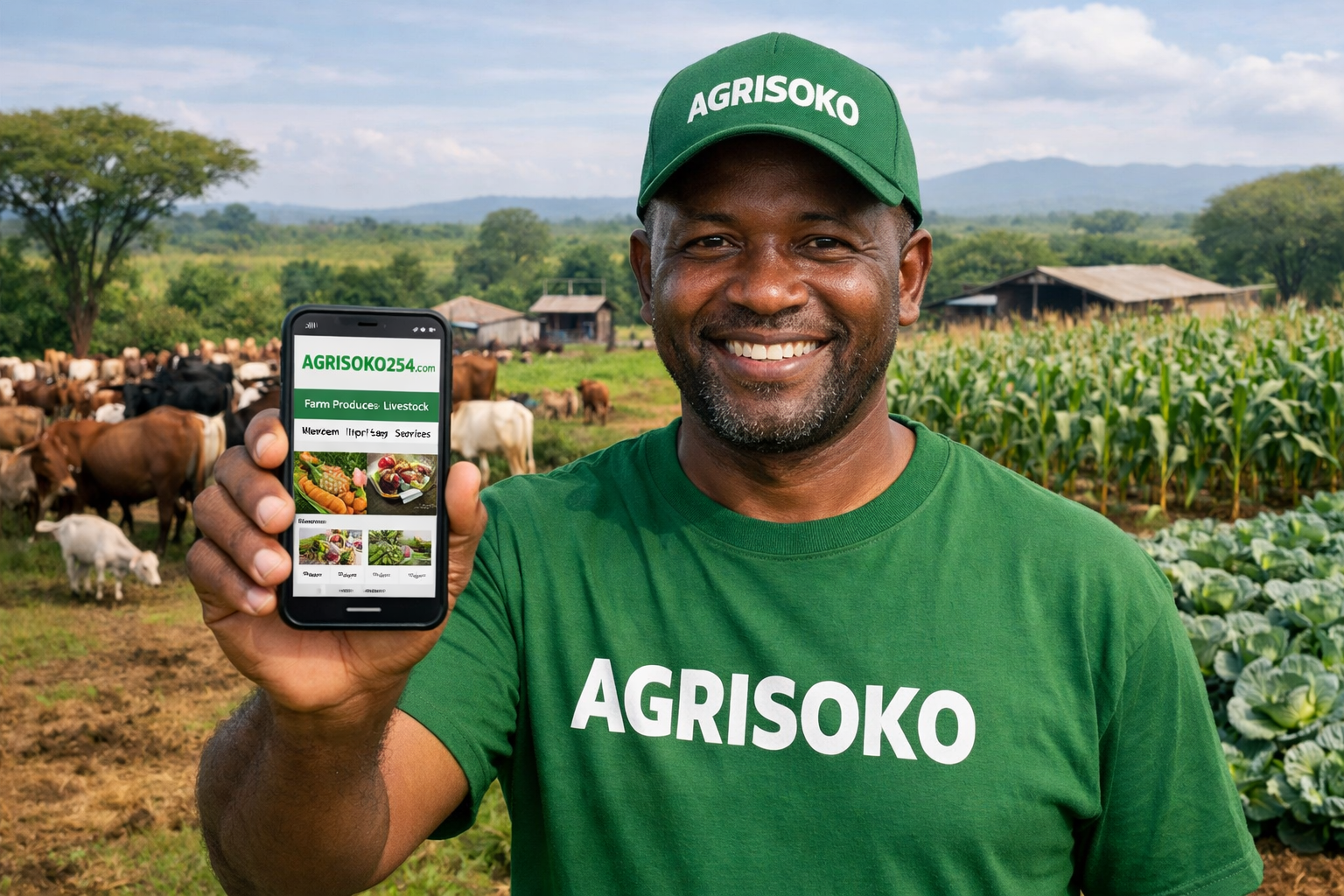
Kenya has more buyers than farmers realize. The problem has never been demand — it has been visibility.
For generations, the farm gate was the only place a transaction could happen. A broker drove up, named a price, and that was it. If the price was too low, the farmer had no alternative. The crop would rot, or the broker would be paid anyway because the farmer had no other buyer in sight.
That dynamic is changing. Digital agricultural marketplaces are giving Kenyan farmers something that used to cost real money to build: access.
The gap between farm-gate price and the first buyer above you
When a maize farmer in Trans Nzoia sells at KES 2,800 per 90kg bag, the same bag is often trading at KES 3,200–3,400 in the first wholesale market the broker takes it to. That KES 400 difference represents real money at scale. A farmer moving 50 bags is leaving KES 20,000 on the table.
The broker captures that difference not because of superior skill but because of superior information. They know which buyers are buying, at what price, and on what terms. The farmer doesn't.
Digital platforms close that gap.
What listing produce online actually does for you
A listing on a digital agricultural marketplace does several things simultaneously:
- Makes your stock visible to buyers across multiple counties, not just whoever is nearby
- Lets you state your terms — price, minimum quantity, delivery options — before negotiations start
- Creates a verified record of your profile that builds trust across multiple transactions
- Lets you compare what similar stock is selling for right now before you accept any offer
The comparison piece is underrated. Knowing that clean dry maize is quoted at KES 3,000 in Nakuru while your local buyer is offering KES 2,650 gives you a data point to negotiate from — or a clear reason to find a second buyer.
How to write a listing that attracts serious buyers
A listing that works is specific. The difference between one that gets ignored and one that attracts serious buyers comes down to four things:
1. State quality clearly. "Dry maize, moisture below 13.5%, clean, no aflatoxin issues, stored in aerated bags." That single sentence eliminates ambiguity and signals that you know your produce.
2. State quantity and timing. Buyers planning sourcing runs want to know if you have 100 bags or 1,000, and whether the crop is ready now or needs two more weeks to dry. Vague listings create extra back-and-forth that serious buyers skip.
3. Set your price or invite offers. Either approach works. A firm price signals confidence and filters out lowball inquiries. Inviting offers keeps the door open if you are unsure of current market rates.
4. Give a specific location. "Kitale, Trans Nzoia" performs better than "Western Kenya." Buyers organizing logistics need a county and town, not a region.
What verification adds
Verified profiles — those where identity has been confirmed — consistently attract more buyer interest because buyers face the same trust problem farmers do. A buyer moving KES 500,000 of stock needs to know the seller is real and accountable. A verified badge removes the first objection before they even send a message.
Verification on Agrisoko is optional but worth completing before you need it, not after.
The realistic outcome
Farmers who list accurately and check price intelligence before accepting offers consistently close deals above their previous farm-gate average. The margin varies by crop, quality, and timing — but the directional reality is consistent: more visibility produces better options.
The middleman will not disappear. What disappears is the moment when the middleman was your only option.
Post your first listing on Agrisoko — it takes under two minutes.
Move from insight into action
Use live price boards, the marketplace, and buyer demand once you are ready to act.