
Dairy Cattle Farming in Kenya: Breeds, Feeding, and Milk Marketing
How to start a profitable dairy farm in Kenya. Best breeds for Kenyan conditions, zero-grazing feeding system, milk yields, and where to sell milk.
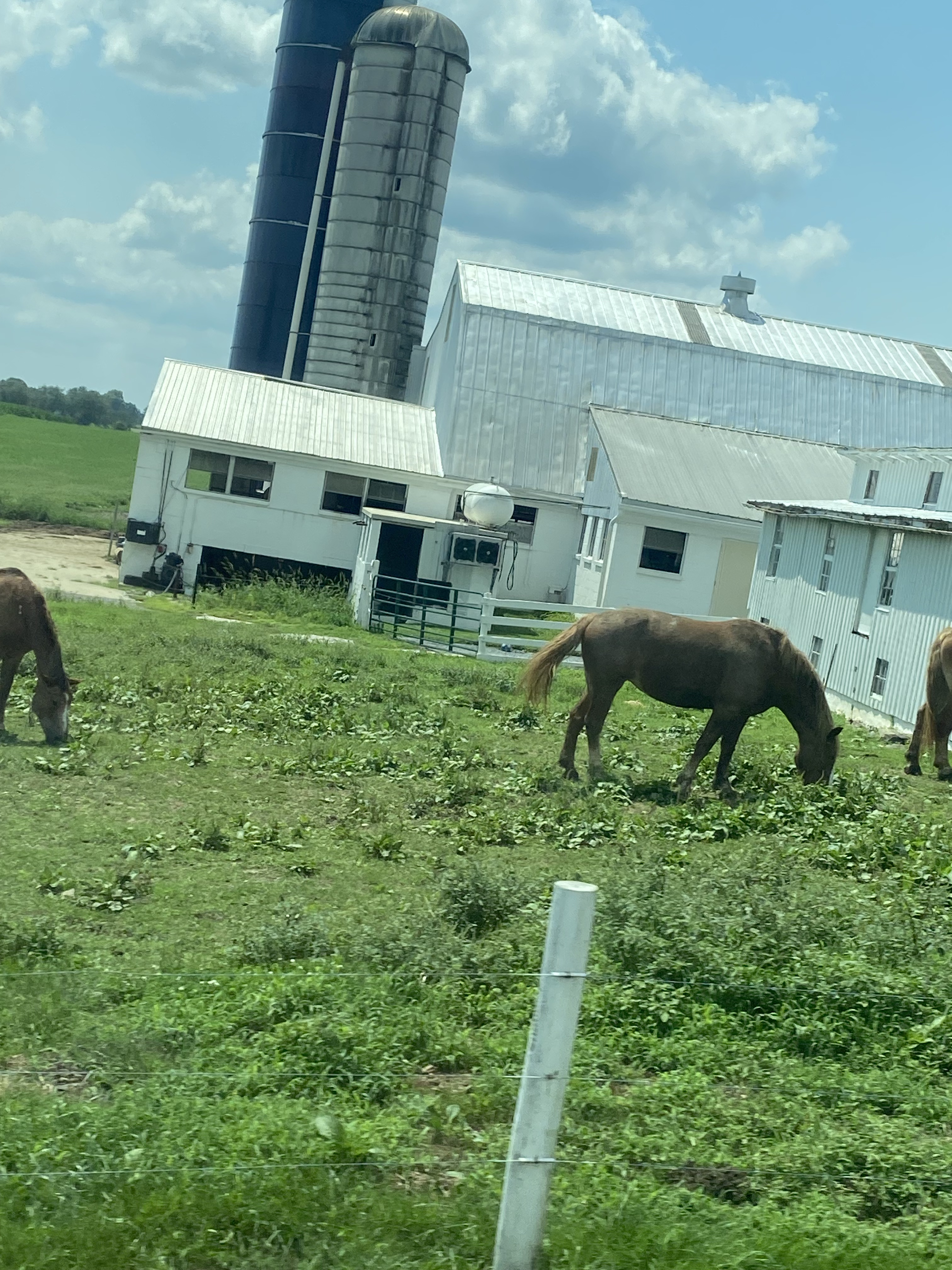
Dairy farming is one of the most reliable income sources in Kenyan agriculture. Kenya has one of the largest dairy industries in sub-Saharan Africa, and demand for milk grows every year. This guide covers breeds, housing, feeding, health, and milk marketing.
Best Dairy Breeds for Kenya
Friesian (Holstein Friesian)
The highest milk producer — 20–40 litres/day at peak. Black and white coat. Requires good feeding and management. Most popular on the Kenyan highlands (altitude above 1,500m) where temperatures are cooler.
Ayrshire
Red and white breed. 15–25 litres/day. More heat-tolerant than Friesian. Better suited to mid-altitude areas. Hardier and easier to manage.
Jersey
Small, fawn-coloured cow. 10–18 litres/day but very high butterfat content (4.5–5.5% vs 3.5% for Friesian). Good for value-added products (butter, cheese). More heat-tolerant.
Crossbreeds (F1, F2)
Friesian × Zebu or Ayrshire × Zebu crosses are popular in medium and lowland areas. Lower yield but much more disease-resistant and tolerant of heat and poor feed.
For beginners in highland areas: Start with a good crossbred or Ayrshire. Purebred Friesians require excellent management.
Housing: Zero-Grazing
Zero-grazing (cut-and-carry feeding) is the dominant dairy system in Kenya's smallholder sector. You confine the cow and bring feed to her.
Why zero-grazing?
- Maximizes land use — one cow needs only 0.5–1 acre of Napier grass
- Easier to monitor feed intake and health
- Reduces tick exposure
Basic Zero-Grazing Unit
- Per cow: 3.5m × 3.5m stall minimum
- Concrete floor with 2–3% slope for drainage
- Feed trough: 70cm wide, 30cm deep
- Water trough: Clean water always available. A dairy cow drinks 40–80 litres/day.
- Shade: Essential — heat stress reduces milk by 10–30%
Cost of a simple 2-cow unit: KES 50,000–150,000 depending on materials.
Feeding Dairy Cows
Feeding is where dairy farming is won or lost. A Friesian producing 20 litres needs:
Roughage (Bulk Feed)
- Napier grass (Pennisetum purpureum): The foundation of zero-grazing. Cut every 45–60 days at 1–1.2m height. Yield: 50–80 tonnes/ha/year. Feed 30–40kg/day per cow.
- Rhodes grass hay: Good supplement, buy or make in dry season.
- Silage: Fermented maize or Napier. Excellent for dry season. Worth investing in a silage pit.
- Maize stovers: Feed after grain harvest.
Concentrates
Required for high-yielding cows — roughage alone can't support 15+ litres production.
Dairy meal: 16–18% protein. Feed at 1kg per 3 litres of milk above 5 litres.
- Example: 20-litre cow → (20–5)/3 = 5kg dairy meal/day
Buy from Unga, Pembe, or mix your own (maize flour + cottonseed cake + minerals).
Minerals
Critical for milk production and cow health:
- Dairy salt block in the stall at all times
- Calcium and phosphorus supplement for high producers
- Magnesium to prevent grass tetany
Milk Production Expectations
| Breed | Daily Yield (peak) | Lactation (months) |
|---|---|---|
| Friesian (purebred) | 20–40L | 10 |
| Ayrshire | 15–25L | 10 |
| Jersey | 10–18L | 10 |
| F1 Crossbred | 8–15L | 10 |
Calving interval: Target 12–13 months. Longer intervals reduce annual milk income.
Health Management
Vaccination Schedule
- FMD (Foot and Mouth Disease): Every 6 months. Mandatory in many areas.
- Lumpy Skin Disease: Annual vaccination.
- East Coast Fever (ECF): Immunisation (live vaccine + long-acting oxytetracycline) — critical in tick-prone areas.
- Brucellosis: Heifers vaccinated once at 3–8 months age.
Tick Control
Ticks transmit East Coast Fever, Anaplasmosis, and Babesiosis — all can kill a cow.
Acaricide dipping or spraying: Weekly in high-tick seasons. Rotate acaricides to prevent resistance (use Triatix one month, Steladone next month).
Tick check: Inspect daily — especially around the tail, udder, and ears.
Mastitis
Inflammation of the udder. Major cause of production loss. Signs: hard, hot udder, clots or blood in milk.
Prevention: Clean hands before milking, teat dipping after milking (use Iodophor or Deosan), discard first milk strip.
Treatment: Intramammary antibiotic tubes. Consult your vet.
Milking Procedure
- Clean udder with warm water and dry
- Strip first 3 streams (tests for mastitis, stimulates let-down)
- Milk quickly and completely — leave no milk in
- Dip teats in iodophor solution after milking
- Cool milk immediately
Milk twice daily (morning and evening) for maximum production.
Selling Milk in Kenya
Milk Collection Points / Cooperatives
Join a local dairy cooperative (New KCC, Brookside, Meru Dairy). They collect daily at a fixed price. KES 35–55 per litre depending on location and cooperative.
Advantages: Reliable daily payment, no selling hassle. Disadvantages: Price is set by them, quality requirements must be met.
Direct Retail
Sell to households, kiosks, or institutions directly. KES 60–100 per litre retail. More profit but more work.
Requirements: Clean containers, consistent supply, reliable customers.
Processors
Large volumes → Brookside, New KCC, Bio Food Products. Need consistent supply and quality tests.
Value Addition
- Yoghurt: Sells for KES 150–300 per litre
- Cheese: Value addition but requires skill and equipment
- Ghee: High value, long shelf life
Quick Numbers for Planning
For a 3-cow zero-grazing unit (3 Ayrshires, 15L/day each):
- Daily milk: 45 litres
- Monthly revenue (× KES 45 cooperative): ~60,750
- Monthly feed cost (dairy meal + supplements): ~25,000
- Monthly net (rough): ~35,000
Find dairy heifers, bulls, feeds, and agro-vet supplies on Agrisoko
Turn this guide into a market decision
Check live prices, browse active supply, or look at buyer demand before you move stock.